
Mower County Police Blotter Reality
The county publishes no 72-hour, weekly, weekend, or chronological Mower County arrest log. The official roster PDF stretches back months and may keep released entries. Yet it is alphabetized by name. Its timestamp tells you when the report was generated. It does not mark the start or end of any blotter window.
That gap trips people up. Two names beside each other were not necessarily booked at the same time. An older arrest can linger on the roster. A newer one may sit unseen during processing. Treat the roster as an index, then request records for the dates you care about.
Read Mower County Arrest Records
Build your date range from official records, never from page order. The jail page is the official starting point.
- Open the roster and save its generation time.
- Search names and record each booking date, number, agency, and status.
- Separate current custody from released entries.
- Define the exact start and end dates still missing.
- Submit that range through Mower County NextRequest, naming the agency and record type.
- Use the court docket to check how a filed charge ended.
For fresh arrests only, the Arrests Last 24 Hours method targets report lag rather than archives.
Mower County Arrest Entry Fields
The roster gives booking fields, not a full police narrative. Keep each field tied to its limited meaning.
| Field | Use |
|---|---|
| Booking number | Links the jail event to a request. |
| Booking date/time | Intake time, not always arrest time. |
| Agency | Points toward the incident-report holder. |
| Custody/release | Status at report generation. |
| Charge and bond | Preliminary entries subject to court change. |
| Photo | Not shown in the inspected roster. |
A released entry is not proof of dismissal. An in-custody entry proves current custody, nothing more. Residence city is not the place of arrest, and charge shorthand is not a disposition. The official Minnesota court portal carries the case detail.
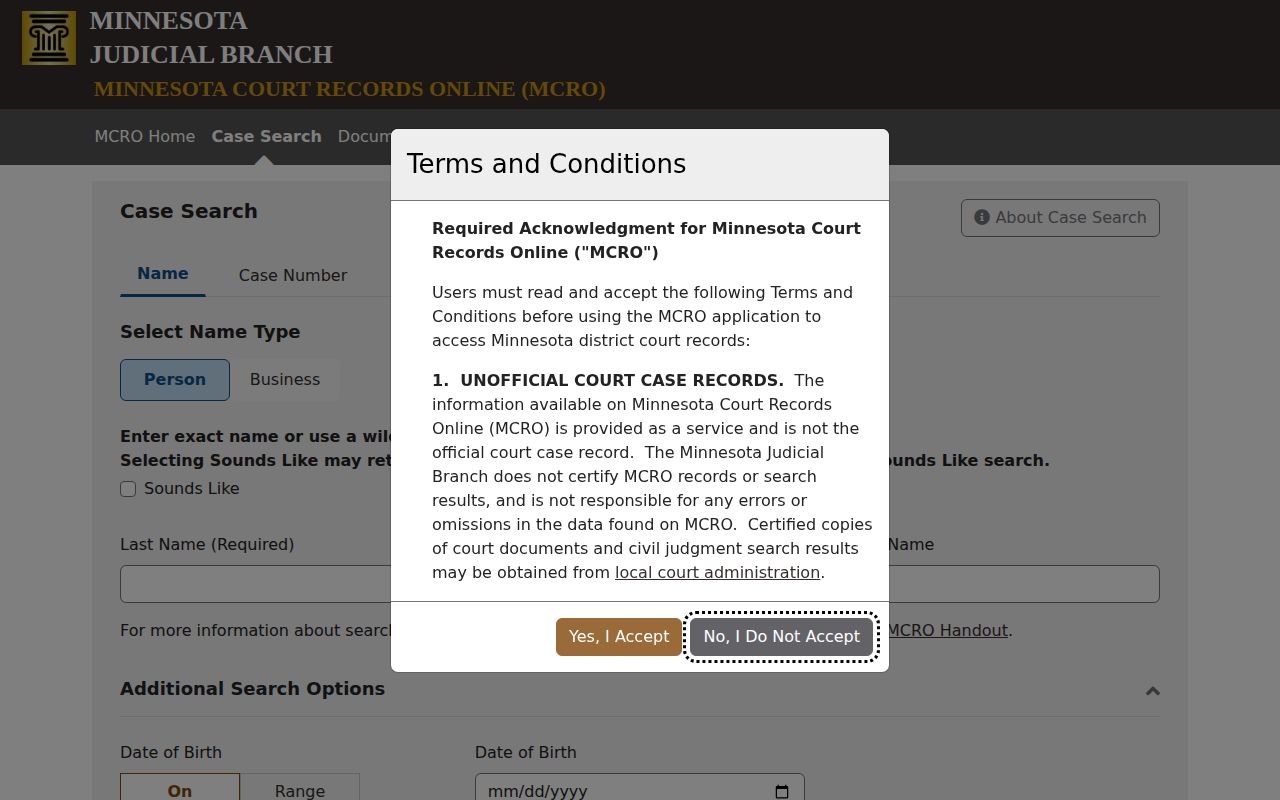
A citation number often beats a plain name search. Pending Mower County cases usually respond better to case, citation, or attorney queries.
Mower County Weekend Record Gaps
No sourced rule backs the weekend-surge talk. No sourced rule covers a Monday catch-up batch either. And no rule confirms a holiday delay in Mower County. The roster changes as the jail system regenerates it. No correction history or update interval is published. Search by booking date and status. Then ask the jail or originating agency when completeness matters.
The official county directory lists contacts for the Sheriff's Office, jail, and Court Administration. A dated request should ask for arrest-summary or booking records, not everything. It should also name known booking numbers. The Mower County recent-arrests hub maps the wider record chain. Direct routing beats guessing at a posting pattern the county has never stated.
Mower County Arrest Log Archives
The roster declares no archive depth, version history, or roll-off rule. A record vanishing online does not mean it was destroyed. County retention rules do not promise online display either. Request a record by type, date range, booking number, agency, and format. Ask which county schedule currently governs it.
For deep history, look to the Mower County Sheriff jail-register finding aid. It describes four open volumes covering 1873 through 1947. Those registers cannot answer a modern booking question.
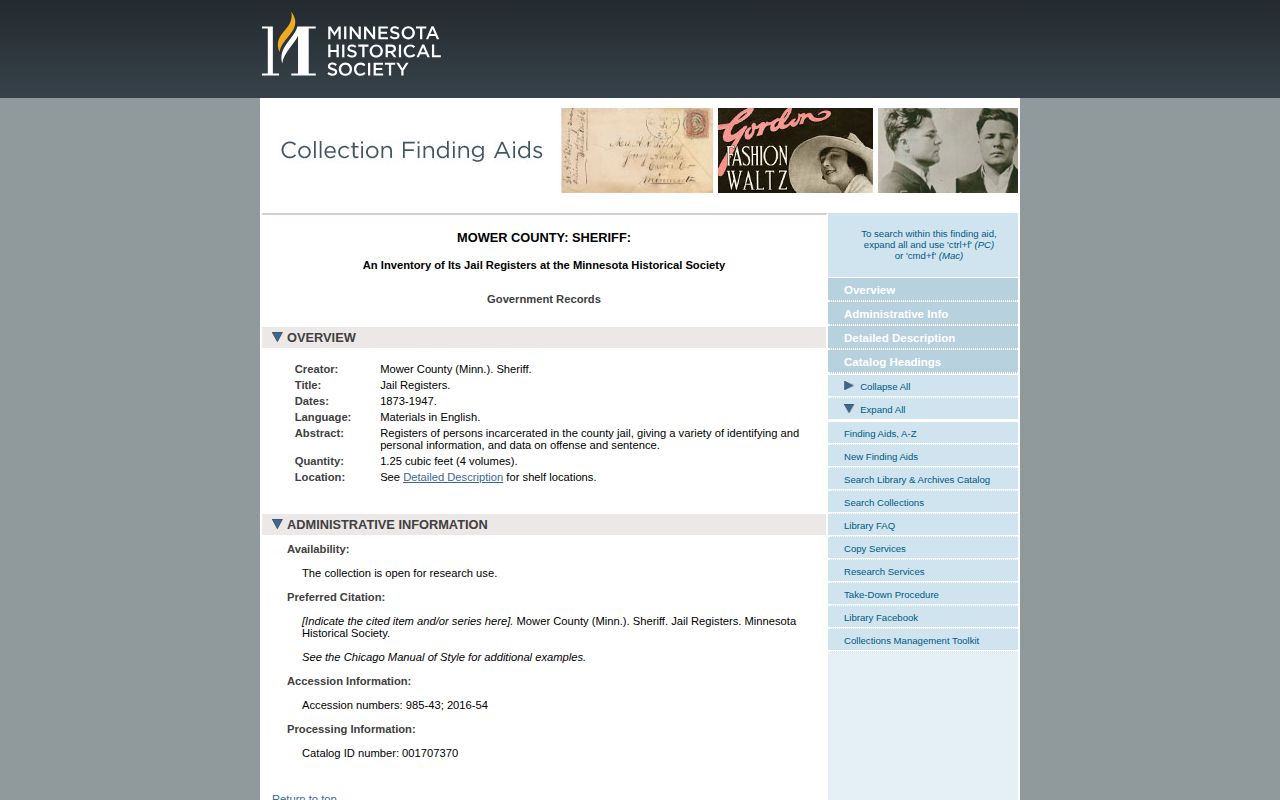
That archival collection sits apart from today's generated roster and the current public-data request process.
Note: Confirm the county's currently adopted retention schedule before stating how long any modern arrest or jail record must remain.
News Is Not Mower’s Blotter
The KROC Mower County index carries recurring crime and court coverage from Austin, Le Roy, rural Mower County, and beyond. Stories may draw on sheriff statements, complaints, court filings, or roster entries. Coverage stays event-driven and selective. It is not a daily inventory.
Austin Daily Herald and Post Bulletin also report on Austin and county cases. Their archives may carry paywalls or clunky navigation. Use a story to surface dates, agencies, and case clues. Then verify those details in the originating record. The KROC regional index shows this secondary news channel in action.
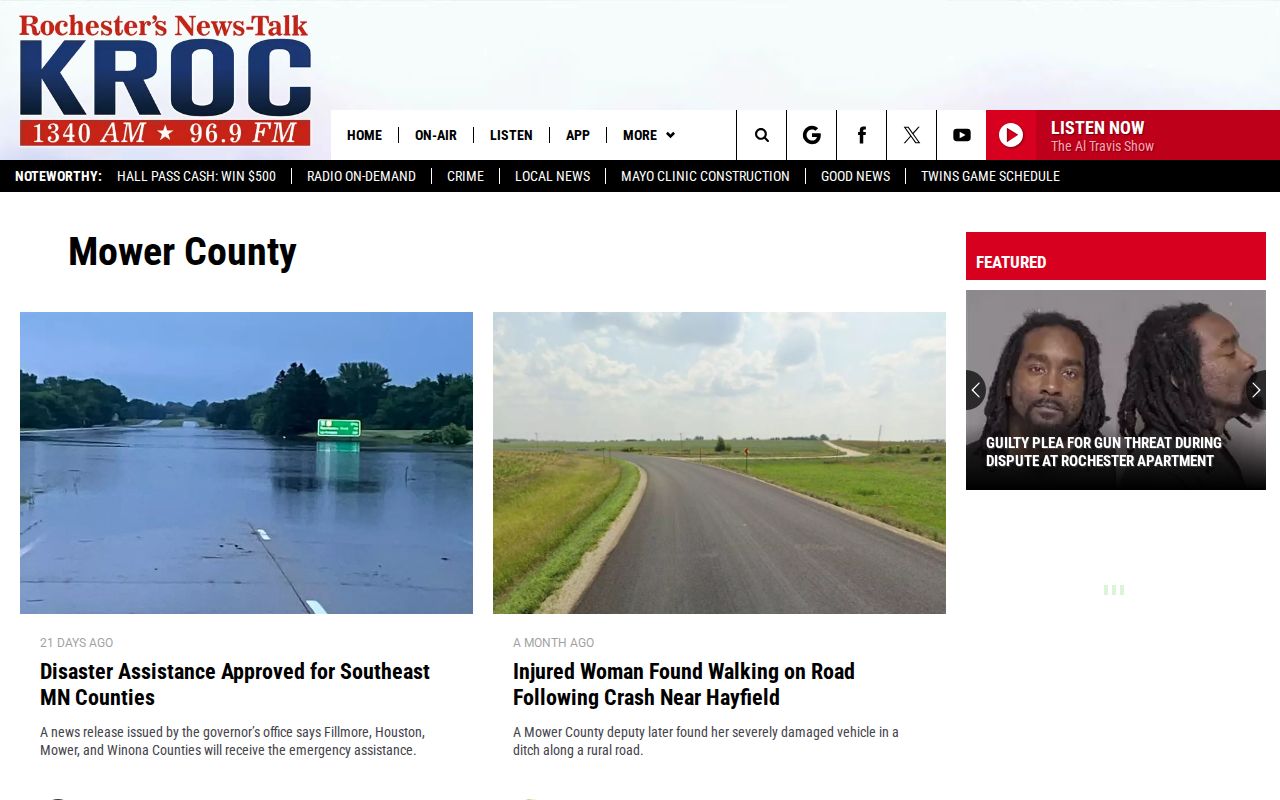
Its selected stories add narrative context but cannot show that every arrest in a date range made the cut.
Build a Date-Bounded Mower Log
A durable multi-day request names dates in local time. It also spells out the fields you want. Name the arrest time, place, and agency. Add booking date, booking number, custody status, release details, and charges as recorded. Ask for electronic delivery when the records already exist that way. A precise range separates one weekend from months of entries.
The response may not arrive as a tidy exported blotter. It can include arrest summaries and booking records. Reports from several offices may arrive in one response. Some active-investigation details can be withheld. Protected identities can be withheld too, even when adult arrest-summary fields are public. Note the source and response date. If a charge changes, follow the court docket. Do not leave booking language as the last word.
Do not calculate a crime trend from a few roster names or selected stories. Roster persistence, release timing, and newsroom choices all distort that sample. Measuring real trends demands complete data, consistent offense definitions, and a stated method.
Mower County Record Custodians
Which office holds what? That question settles where a Mower County request should start. The agency that made the arrest often keeps the incident report. The jail keeps the booking entry. The Sheriff's Office can wear both hats. Court Administration is different, since it holds the filed case and any orders that follow.
Reconciling stages takes a few identifiers. Use the booking number, CID or MNI, the date, and the agency name. If something gets withheld, ask for the statute cited. Do not assume the whole event is sealed. A release from custody does not erase an arrest record either. It just marks a custody change at the time the report was made.
- Arrest record
- Agency data about the event and legal basis.
- Booking record
- Jail intake, identifiers, charges, holds, bond, and release.
- Disposition
- The court’s later resolution.
- Archive
- Records retained outside the current display.
Mower County Archive Requests
Start with the Sheriff's Office or the agency that created the record. State Archives should not be the first stop for a modern Mower County request. Ask whether the series still sits with the county and which retention schedule applies. An older general schedule is background only.
What if an online entry vanishes? Save the booking number and file a narrow request. A replaced PDF or a roll-off does not prove the county record was destroyed. Retention rules do not open every field. Public access still depends on review.